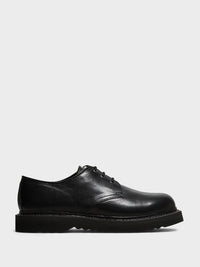
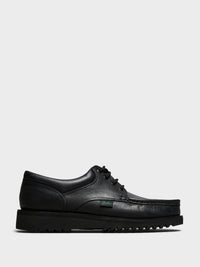
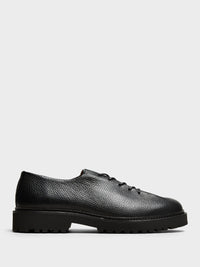
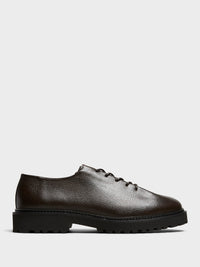
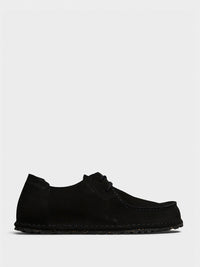
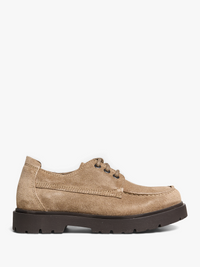
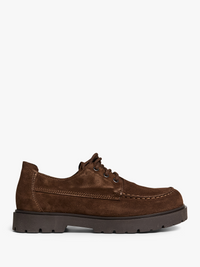
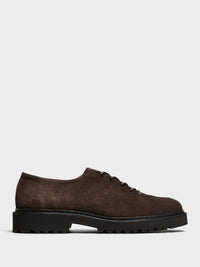
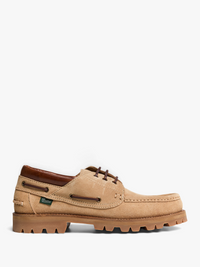
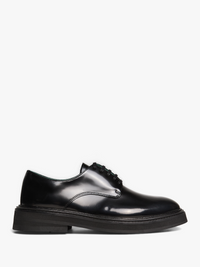
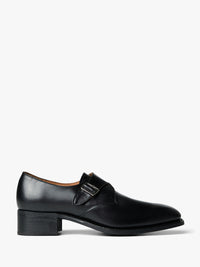
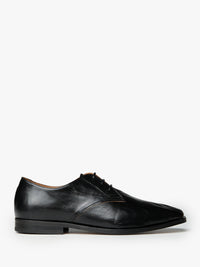
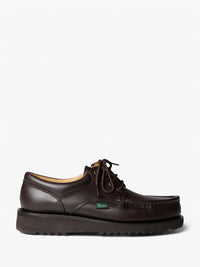
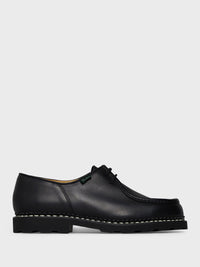
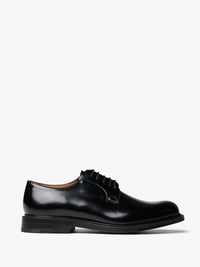
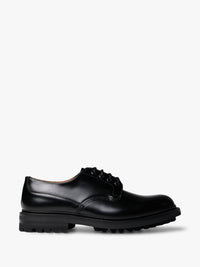
Classic shoe styles
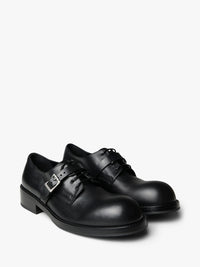
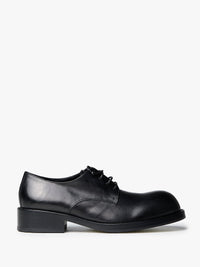
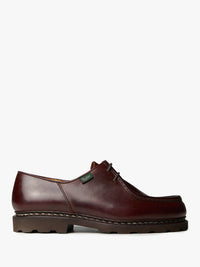
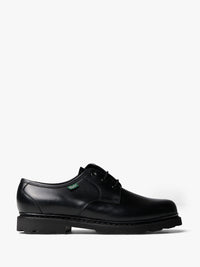
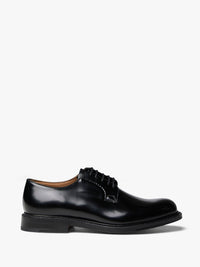
The oxford is the most formal silhouette in men's footwear. Its closed lacing system, where the eyelet tabs are stitched beneath the vamp, produces a clean, unbroken line that reads naturally with a suit. Derby shoes take the opposite approach: an open lacing system with eyelet tabs sitting on top of the vamp makes them slightly more relaxed and considerably more accommodating across different foot widths. Both are foundational styles in any considered footwear wardrobe.
Loafers occupy a distinct position in men's classic shoe styles. As slip-on shoes with no lacing at all, they move between smart-casual and formal settings with less effort than most styles. Penny loafers, with the characteristic strap across the vamp, and tassel variations each carry their own character while sharing the same ease of wear. Monk strap shoes close with one or two buckles rather than laces, sitting in formality somewhere between an oxford and a derby. Whole-cut shoes, shaped from a single piece of leather, are minimal and precise. Chelsea boots, with their elastic side panels, extend the classic vocabulary into boots without losing the clean silhouette.
Construction and materials
The materials and construction methods behind a classic leather shoe for men determine whether it lasts a season or a decade. Full-grain leather uppers develop a patina with wear rather than cracking or peeling, which is why investment footwear almost always begins here. Goodyear welting, where the upper, insole, and sole are stitched together through a strip of leather, allows the shoe to be resoled multiple times; blake-stitched construction offers a slimmer profile suited to sleeker silhouettes.
Sole construction matters as much as the upper. Leather soles provide traditional breathability and a clean aesthetic underfoot; rubber-composite alternatives offer more grip for daily wear without sacrificing the overall look. For formal occasions requiring black-tie dress, patent leather delivers the high-gloss finish that no other material replicates. Hand-finished details such as brogue perforations, cap-toe stitching, and burnished edges reflect the level of craftsmanship that separates a considered shoe from a disposable one. The brands we carry share a commitment to these standards.
How to wear classic shoes with any outfit
Colour coordination is the most reliable starting point. Black shoes pair with charcoal, navy, and black suits; brown and tan work with earth tones, lighter greys, and blue-based fabrics. Matching shoe colour to belt keeps a formal look cohesive. Oxford shoes and monk strap shoes read naturally alongside two-piece suits and tailored clothing; derbies and loafers extend equally well into smart-casual territory, pairing with chinos, tailored trousers, and knitwear without effort.
For black-tie events, classic black shoes in patent leather or highly polished calfskin are the correct choice. Slim-fit suits call for a narrower, more tapered toe shape; fuller cuts can carry a rounder toe without looking out of proportion. Loafers worn sockless or with no-show socks alongside linen trousers or shorts take on a lighter, more relaxed register while retaining the quality that elevates an outfit. Our diverse range of men's footwear spans this full spectrum, from dress oxfords to sophisticated men's leather loafers, making it straightforward to build across formality levels.
Finding the right fit in classic shoes
A well-fitting classic shoe holds the heel securely without slipping, leaves approximately a thumb's width of space ahead of the longest toe, and feels snug across the ball of the foot without pinching. Because leather moulds gradually to the foot over the first several wears, a slightly firm fit at the outset is normal and preferable to a loose one. If you are between sizes, try both with the dress socks you plan to wear regularly, as sock weight affects the fit more than most men expect.
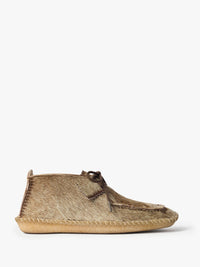
Open-laced derby shoes and bluchers accommodate wider feet more naturally than closed-laced oxford shoes, whose fixed eyelet construction offers less adjustability across the instep. This is worth considering before settling on a silhouette, particularly if you find that standard dress shoes tend to feel narrow. Our selection also includes quality footwear from Clarks and the iconic Clarks desert boots, which offer their own approach to fit and construction for those drawn to a more casual classic silhouette.
Keeping classic shoes in excellent condition
Cedar shoe trees inserted after every wear are the single most effective habit for extending a shoe's life. They absorb moisture from the leather, reduce creasing across the vamp, and help the shoe retain its shape between wears. Wipe the surface with a soft cloth after each use before dirt has a chance to set into the grain. For deeper cleaning, a leather-specific cleaner followed by a conditioner keeps the leather supple and prevents the surface from drying out and cracking over time.
Polish with a wax-based product matched to the shoe's colour, applied in thin layers and buffed with a cotton cloth for a natural, even shine. Rotating between at least two pairs and allowing 24 to 48 hours of rest between wears gives the leather and sole construction time to recover fully. Quality leather shoes maintained this way do not simply hold up — they develop a richer patina and a more individual character with each year of wear. For those who prefer a more relaxed classic silhouette alongside their dress shoes, our refined sneakers for casual days complete the wardrobe at the other end of the formality spectrum.
Frequently asked questions
What is the difference between oxford and derby shoes?
The key difference lies in the lacing system. Oxford shoes have a closed lacing system where the eyelet tabs are stitched underneath the vamp, creating a sleek, streamlined silhouette that is considered more formal. Derby shoes have an open lacing system where the eyelet tabs sit on top of the vamp, making them slightly less formal but more adjustable — particularly useful for wider feet. As a general rule, oxfords are the better choice for suits and formal occasions, while derbies offer greater versatility across both professional and smart-casual settings.
Which classic shoe style is the most versatile for everyday wear?
Derbies and loafers are widely considered the most versatile classic shoe styles. A derby in smooth leather, particularly in a medium brown or tan, transitions easily from a business meeting paired with tailored trousers to a smart-casual weekend look with chinos and a knit. Loafers, including penny and tassel variations, offer similar range and can be worn sockless in warmer months for a relaxed yet refined feel. If you are building a classic shoe wardrobe from scratch, a derby or loafer in a neutral colour is the most practical starting point.
How should classic leather shoes fit when you first try them on?
A well-fitting classic shoe should hold your heel securely without slipping, leave approximately a thumb's width of space ahead of your longest toe, and feel snug across the ball of the foot without pinching. Because leather stretches and moulds to your foot shape over the first few wears, a slightly firm initial fit is normal and preferable to a loose one. If you are between sizes, try both with the type of dress socks you plan to wear regularly. Open-laced styles like derbies offer more adjustability than closed-laced oxfords, which is worth considering if you have a wider foot.
What shoes should I wear with a suit?
For formal suits, oxfords in black or dark brown are the most appropriate choice — black pairs best with charcoal, navy, and black suits, while brown and tan complement lighter greys and earth tones. Monk strap shoes offer a slightly more distinctive look while maintaining formality. For business-casual or unstructured suits, derbies and loafers work equally well. Match your shoe colour to your belt for a cohesive finish, and keep the leather finish consistent with the formality of the occasion. For black-tie events, black patent leather or highly polished black calfskin is the correct choice.
How do I care for classic leather shoes to make them last longer?
The most impactful habit is inserting cedar shoe trees after every wear — they absorb moisture and help the shoe retain its shape. Wipe the leather with a soft cloth after each use to prevent dirt from setting into the grain. For deeper cleaning, use a leather-specific cleaner followed by a conditioner to keep the leather supple and prevent cracking. Polish regularly with a wax-based polish matched to the shoe's colour, applying in thin layers and buffing to a shine. Rotating between at least two pairs and allowing 24 to 48 hours of rest between wears prevents premature breakdown of the sole and insole. Well-maintained leather shoes do not simply wear out — they develop a richer patina and more individual character over time.
Can classic shoes be worn in smart-casual settings, or are they only for formal occasions?
Classic shoes work across a much wider range of outfits than many men assume. Loafers and derbies are particularly well-suited to smart-casual dressing, pairing naturally with chinos, unstructured blazers, tailored joggers, and knitwear. Wearing loafers sockless or with no-show socks in warmer months creates a relaxed, refined feel without losing sophistication. Chukka boots and suede derbies sit comfortably in casual territory while retaining the structured quality that elevates an outfit. The key is matching the leather finish and silhouette to the occasion: a polished oxford reads formal, while a suede derby or penny loafer reads relaxed.