A fishing village in the Westfjords
Hans Kristjánsson lived in Suðureyri, in Súgandafjörður, where extreme weather made proper clothing a matter of life and death. He moved to Norway to learn how to tailor and sew fishermen's clothing. Back home in 1926, he founded Sjóklæðagerð Íslands, the Fishermen's clothing factory of Iceland, now known as 66°North.
The name comes from the latitude of the Arctic Circle, which touches Súgandafjörður. In 1928 the company began supplying Icelandic search and rescue teams, and it still does. Since 1926 it has run its own factories.
The 66°North design language
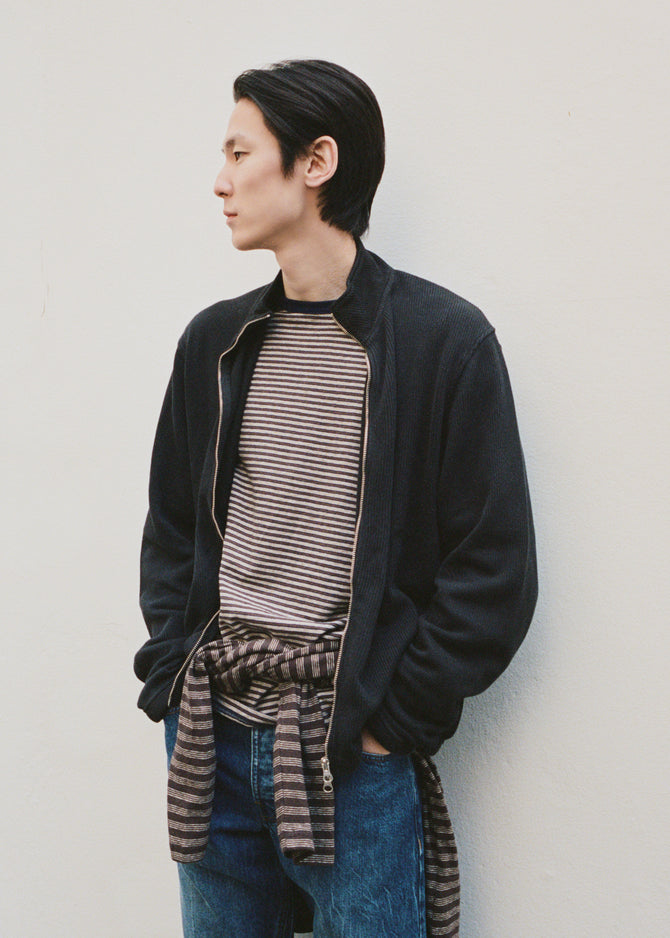
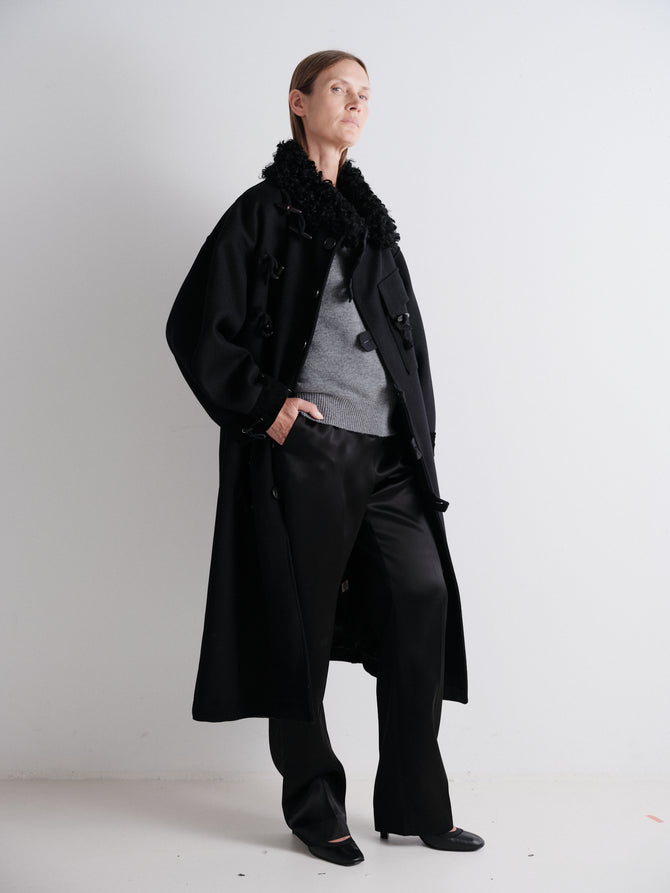
The look is minimalist and unmistakably Icelandic, shaped by raw nature and a modern urban sensibility. Nothing is superfluous. Designers borrow the patterns and colors of the Icelandic landscape and translate them into the collections.
Behind it sits the úlpa, an Icelandic word for a single multipurpose jacket that leaves you ready for anything. It grows out of a culture of resourcefulness. Cropped and oversized silhouettes carry the brand between outdoor equipment and city dressing, and collaborations with high-fashion partners have shown how easily it crosses over.
Down, shell and fleece craft
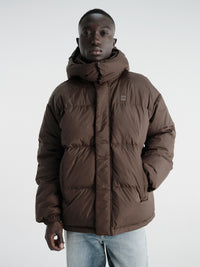
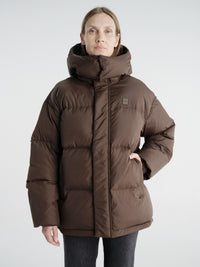
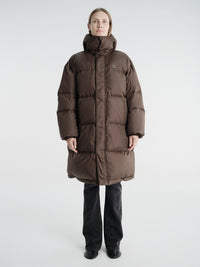
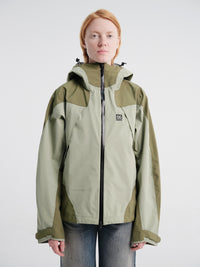
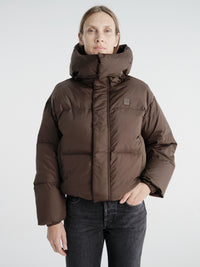
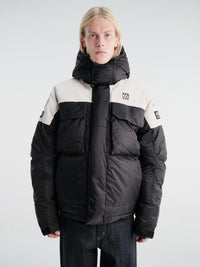
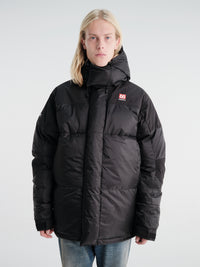
The Dyngja down jacket and down coat, insulated with a recycled down and feather blend, are the center of the story. They come in oversized and cropped cuts, with the volume of a statement coat and the lightness of a technical one. Dyngja shell jackets, the Tindur short down jacket, the Tindur down jacket and the Kaldi half zip follow the same layering logic.
The materials are chosen for a job. GORE-TEX Pro shells keep out wind and water while staying breathable, and Polartec fleece is breathable and suited to active situations. Each piece plays a role in a layered system, and the 66°North Dyngja line shows that thinking at its clearest. The range covers 66°North for women and 66°North for men, including its 66°North jackets.
Made to last, repaired for life
The brand repairs its products whatever their age and runs its own repair shop. 66°North is a certified B Corp, and it makes most of its clothes in factories it owns, which gives it tighter control over its footprint. It also cut its range by half over four years to avoid excess production. Longevity of design is its answer to seasonal consumption. Stoy carries 66°North.
Frequently asked questions
Is 66 North an Icelandic brand?
Yes. The brand was founded in Suðureyri in the Westfjords and takes its name from the Arctic Circle, which touches Súgandafjörður. Most production now takes place in Europe, largely in factories the company owns, but its identity and design thinking remain Icelandic.
What is 66 North best known for?
Protective outerwear made for Icelandic weather. It began by dressing fishermen and workers. It started supplying Icelandic search and rescue teams in 1928. Now it makes down jackets, shells and fleeces that work just as well in the city.
Is 66 North a good brand?
It has made protective clothing for nearly a century. Mountaineers, outdoor professionals and rescue team members test its products before production begins. The company also repairs its products at any age and has been a certified B Corp since 2021.
Why is 66 North considered a premium brand?
The case rests on how the clothes are made: its own factories, close work with high-quality fabric manufacturers, and technical membranes such as GORE-TEX Pro. Garments are designed to be repaired and kept, not replaced each season.
What is an úlpa?
Úlpa is an Icelandic word for a single multipurpose jacket. 66°North uses it to describe its approach: one jacket that leaves you ready for anything. The idea comes from a culture of resourcefulness, where things are made to last.