Which style suits you best
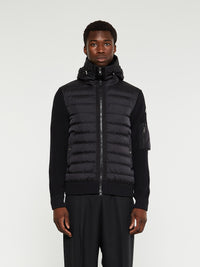
The right silhouette sets the tone for everything underneath it. A bomber jacket sits at the hip with ribbed details at the hem and cuffs, making it one of the cleaner casual options in men's outerwear. A trench coat falls closer to the knee, adding structure and a more formal read. Parkas run longer still, typically to mid-thigh, with a hood and a utilitarian character that suits colder, wetter conditions. Chore coats and field jackets occupy a boxy, relaxed space that layers easily over heavier knitwear. Silhouette also affects layering: longer coats accommodate bulkier pieces underneath, while a bomber jacket works best over lighter midlayers. Our selection of contemporary jackets and timeless men's coat styles reflect both ends of this spectrum.
What your coat is made from matters
Material determines how a coat performs and how it ages. Wool and wool-blend fabrics offer natural warmth and hold their shape well, making them the standard for tailored outerwear. Nylon and polyester shells are lightweight and weather-resistant, suited to active or transitional weather use. A leather jacket builds character with wear and provides reliable wind resistance. Cotton twill and canvas suit the shoulder seasons. Bonded and laminated fabrics add weather protection without adding bulk, and fabric weight directly affects how a coat drapes: heavier wools hold their structure, while lighter synthetics compress easily for travel.
Built for the elements
Weather protection in outerwear comes down to a few specific features worth understanding before you buy a jacket. Water-resistant coatings cause light rain to bead off the surface without sacrificing breathability; seam-sealed construction goes further, blocking moisture in sustained downpours. Wind-resistant outer fabrics reduce chill in exposed conditions. A stand collar seals out cold air at the neck without requiring a scarf; adjustable cuffs and hem drawcords close off the remaining gaps. For heavier rain, a waterproof-breathable membrane offers more reliable protection than a simple DWR coating alone. A removable hood adds flexibility without committing to a fixed silhouette. Stoy carries performance-oriented outerwear alongside more refined styles, so weather-ready options do not require a compromise on design.
Warmth, fit, and how to choose the right combination
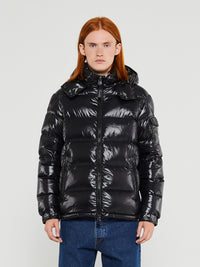
Insulation type and fit interact closely, and both decisions are worth making together. Down insulation offers an excellent warmth-to-weight ratio and compresses well, though it loses performance when wet. Synthetic insulation is slightly heavier but retains warmth in damp conditions and dries faster. Quilted baffles trap insulating material and create a barrier against cold air; a quilted construction is a reliable indicator of a properly insulated garment. For men's winter coats and jackets worn in variable climates, a removable liner extends the useful temperature range of a single piece. On fit: a tailored fit creates a sharp silhouette but limits what you can layer underneath, while a regular or relaxed cut accommodates knitwear and midlayers without restriction. A slim trench over a heavy roll-neck will typically require sizing up.
Outerwear that works across seasons and occasions
The most useful pieces in any outerwear wardrobe move between settings without effort. A chore coat works over a hoodie for a relaxed weekend look or over a shirt for something sharper. A lightweight bomber functions as a midlayer under a heavier coat in deep winter and stands alone in transitional weather. Packable styles compress into a bag for travel. Stoy's edit includes dressy jackets for men that read as formal outerwear, alongside relaxed casual cuts that suit everyday wear. For those building a wardrobe that shifts between casual and dressed-up contexts, a mid-length coat in a clean silhouette tends to be the most durable investment. We also carry a range of women's outerwear and tailored blazers for men for those looking beyond outerwear.
Details that define a great coat
Design details are where a coat's character becomes clear. A full-length zip closure offers convenience and a contemporary look; a button front, whether single- or double-breasted, adds formality and structure to the silhouette. Snap closures carry a utilitarian edge suited to workwear-influenced styles. Collar construction matters practically and aesthetically: a stand collar seals out wind, a notched lapel reads as tailored, a band collar sits close to the neck for a minimal finish. Chest pockets, welt pockets, and flap pockets each affect how clean the silhouette reads from the front. Rib-knit trim at the hem and cuffs adds warmth and a more athletic feel. These are the details where independent designers in our assortment most clearly distinguish their work from standard outerwear.
FAQ
What is the difference between a coat and a jacket?
The distinction is primarily length. Jackets typically end at or above the hip, making them easier to move in and better suited to layering or active use. Coats fall below the hip, often at the knee or mid-thigh, and generally offer more coverage and warmth. In practice, the terms overlap: a parka is technically a jacket by construction but functions like a coat in cold weather. When choosing between the two, consider how much coverage you need and whether you will be wearing it over bulkier layers.
How do I choose the right insulation for cold weather?
Down insulation offers the best warmth-to-weight ratio and compresses well for travel, but loses much of its insulating ability when wet. Synthetic insulation is heavier and slightly bulkier but retains warmth even in damp conditions and dries faster. For dry, very cold climates, down insulation is usually the better choice. For wet or variable weather, synthetic insulation or a down-synthetic blend is more practical. Fill power indicates loft quality for down: 600-fill is solid everyday warmth, while 700-fill and above is lighter and warmer for the same volume.
How should a men's coat or jacket fit?
The shoulders are the most important reference point: the seam should sit at the edge of your shoulder, not drooping down the arm. From there, consider what you will wear underneath. If you plan to layer a thick knitwear piece, size up to avoid a restricted feel across the chest and arms. Slim or tailored fits look sharp over lighter layers but can feel tight over bulkier midlayers. The sleeve length should reach your wrist bone, and the body length should cover your waistband for warmth. When in doubt, a regular fit offers the most flexibility.
What is the most versatile type of men's outerwear?
A mid-length coat in a neutral colour, such as a trench coat, a chore coat, or an uninsulated field jacket, tends to be the most versatile choice. These styles work over casual and smart outfits alike, layer easily over knitwear, and suit a wide range of settings. A bomber jacket is a close second for those who prefer a shorter silhouette. Clean lines, simple closures, and classic proportions age well and pair with more of your existing wardrobe than trend-specific details will.
Are water-resistant and waterproof the same thing?
No, they offer meaningfully different levels of protection. Water-resistant finishes cause light rain to bead off the surface but will eventually saturate in sustained downpours. Waterproof fabrics use a membrane or fully seam-sealed construction to block moisture even in heavy rain. For everyday urban use and light showers, water-resistant is usually sufficient. If you are regularly out in heavy rain or exposed conditions, look for a waterproof shell with sealed seams. Waterproof fabrics vary in breathability, and a breathable waterproof membrane is worth the investment if you will be active while wearing it.