Boot styles
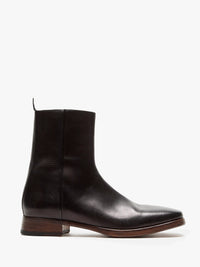
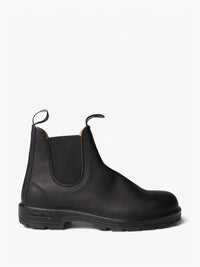
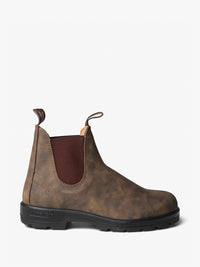
Chelsea boots are the most adaptable silhouette in men's footwear. The elastic side panels allow a clean slip-on entry, and the streamlined profile sits as naturally beneath tailored trousers as it does with slim denim. For eveningwear or smart-casual occasions, men's boots in the Chelsea mould are a reliable choice that reads as polished without effort.
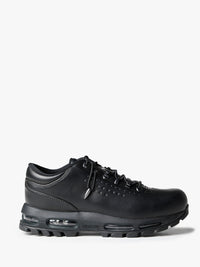
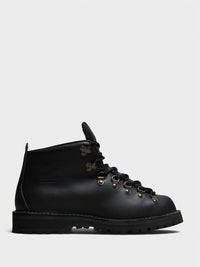
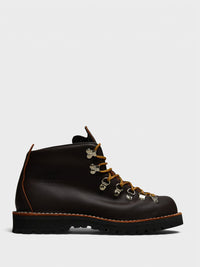
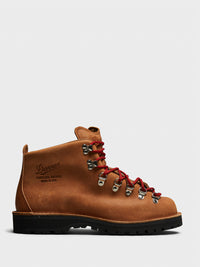
Chukka boots occupy a different register. They are ankle-height, lace-up, and slightly more relaxed in character. They suit weekend dressing well, pairing with chinos or lightweight trousers without demanding much from the rest of the outfit. Combat and lace-up styles bring a more utilitarian edge, with rugged outsoles and a mid-shaft height that works naturally within streetwear layering. Moto and buckle boots lean into structure and strap detailing, offering a silhouette with deliberate attitude.
Our curated selection of boots spans this full range of silhouettes, drawn from both established luxury houses and independent designers with real stories behind their work.
Boot construction
Construction is where a boot earns its price over time. Full-grain leather develops a patina with wear, ageing in a way that adds character rather than diminishing it. Suede offers a softer, more casual texture but requires more consistent care to maintain its appearance. For mens fabric boots in technical or woven materials, the focus shifts to breathability and structural integrity rather than patina.
The joining method matters for longevity. A Goodyear welt allows the outsole to be replaced by a cobbler when it wears down, extending the life of the boot significantly. Blake stitch construction produces a cleaner, more flexible profile and is also resoleable, though the process is more involved. Rubber outsoles provide grip and weather resistance; leather outsoles develop traction gradually and suit drier conditions. A quality rubber outsole is a recognised upgrade for traction and durability on premium footwear. Pull tabs, elastic gussets, and padded ankle collars are small details that speak to the care taken in construction. Visible stitching, when even and precise, is a reliable indicator of handcraft.
The brands in this selection are chosen for their documented heritage and handcrafted construction, qualities that reflect the care we apply when curating our footwear offer.
Fit and sizing
Boot fit differs from trainer fit in a few important ways. Allow roughly a thumb's width at the toe, and expect the heel to feel snug without slipping. Leather uppers will mould to the shape of the foot over the first several wears, so some initial stiffness is normal rather than a sign of poor fit. If you are between sizes, sizing up and wearing a slightly thicker sock tends to be more comfortable than sizing down.
Shaft height affects both comfort and mobility. Chelsea and chukka styles sit at or just above the ankle, allowing free movement throughout the day. Combat styles extend higher, providing more ankle support at the cost of some flexibility. Cushioned insoles, padded collars, and moisture-wicking linings are the details that determine how a boot performs across a full day of wear. Our versatile men's footwear styles are selected with this range of needs in mind.
Styling guidance
Chelsea boots pair cleanly with tailored trousers or slim denim. A slight trouser cuff reveals the silhouette to best effect and keeps the proportions intentional. For eveningwear, a dark leather Chelsea can replace a dress shoe without losing any formality. This is one of the reasons classy boots for men in this silhouette remain a consistent part of a considered wardrobe.
Combat and lace-up styles work well with straight-leg or relaxed denim, cargo trousers, and layered outerwear. Men's street boots in this category carry a utilitarian quality that suits the heavier textures of autumn and winter dressing. Chukka boots bridge the gap between casual and refined, sitting naturally with chinos or lightweight wool trousers across spring and early autumn. Boots are not exclusively cold-weather footwear; the right silhouette and material make them a year-round option for men who dress with intention.
Browse our curated selection of boots to find the style that suits your wardrobe, or explore our contemporary women's boot collection and iconic UGG sheepskin boots for further discovery.
Frequently asked questions
What are the main types of men's boots?
The most common silhouettes are Chelsea boots (slip-on with elastic side panels, versatile for smart and casual wear), chukka boots (ankle-height with minimal lacing, relaxed and refined), combat or lace-up boots (rugged outsoles and mid-shaft height, suited to streetwear and layered looks), and moto boots (buckle straps and a structured silhouette with an edge). Each style suits different occasions and outfit combinations, so it is worth considering how you plan to wear them before choosing.
How should men's boots fit?
A well-fitting boot should have roughly a thumb's width of space at the toe. The heel should feel snug without slipping; some movement on the first few wears is normal as leather moulds to your foot. If you are between sizes, sizing up and wearing a slightly thicker sock is often more comfortable than sizing down. Shaft height also affects fit: a higher shaft provides more ankle support but less mobility, while ankle-height styles like Chelsea and chukka boots allow freer movement.
What is the difference between a Chelsea boot and a chukka boot?
A Chelsea boot is a slip-on ankle boot with elastic side panels and no lacing, giving it a clean, streamlined silhouette that works well dressed up or down. A chukka boot is lace-up, typically with two or three eyelets, and sits at or just above the ankle. Chukkas tend to have a more relaxed, slightly casual feel, while Chelsea boots read as more polished and versatile across smart and casual contexts.
How do I care for leather boots to make them last longer?
Regular care significantly extends the life of leather boots. After each wear, wipe off dirt with a dry cloth. Apply a leather conditioner every few weeks to prevent the upper from drying out and cracking. Use a waterproofing spray or wax for weather resistance, especially before the wetter months. Store boots with shoe trees to maintain their shape. If the outsole wears down, a cobbler can resole welted constructions; this is one of the key advantages of investing in quality, well-constructed boots.
Can men's boots be worn year-round?
Yes. While boots are often associated with autumn and winter, many styles work across all seasons. Chelsea boots in lightweight leather are a natural choice for spring and early autumn. Chukka boots in suede or unlined leather suit warmer months well. Combat and lace-up styles with breathable linings can be worn through summer evenings. The key is matching the weight and lining of the boot to the season rather than treating boots as exclusively cold-weather footwear.