From Suðureyri to the Arctic Circle
Hans Kristjánsson lived in Suðureyri in Súgandafjörður, where extreme weather made proper clothing a matter of life and death. He traveled to Norway to learn how to sew fishermen's clothing. In 1926 he founded Sjóklæðagerð Íslands, today's 66 North.
The name comes from the latitude of the Arctic Circle, which touches Súgandafjörður. From 1928 the company supplied Icelandic search and rescue teams, and it still does. It has run its own factories since 1926. Since 2011, Helgi Oskarsson and Bjarney Harðardóttir have been the brand's guardians.
The úlpa and 66 North design
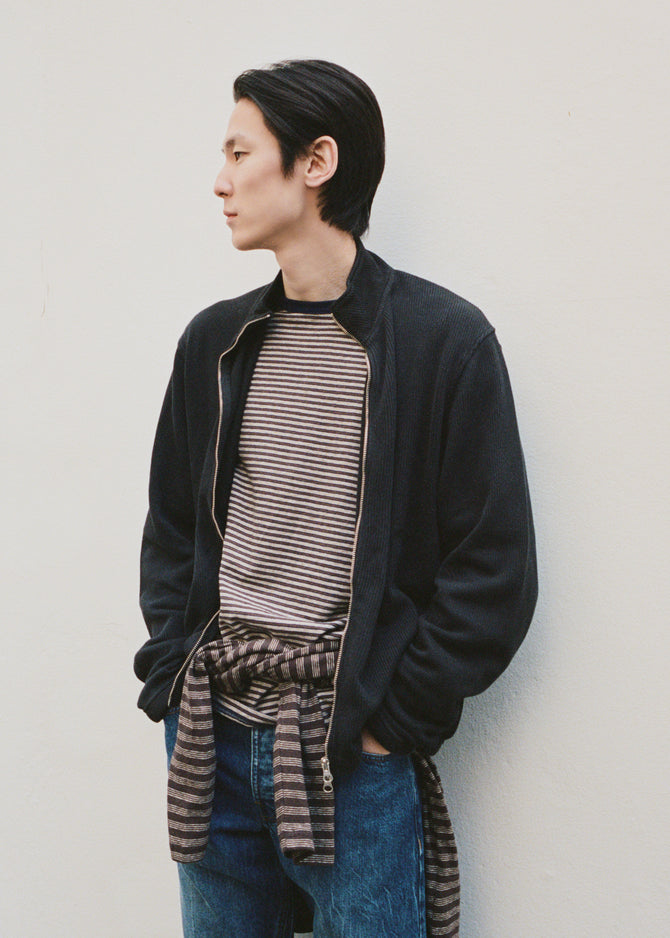
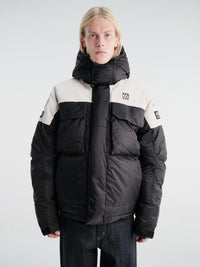
The design language is minimalist and unmistakably Icelandic, shaped by raw nature and an urban sensibility. Nothing is superfluous. Designers take patterns and colors from the Icelandic landscape and translate them into each collection. Úlpa is an Icelandic word for a single jacket that does everything, born of a culture of resourcefulness where things have to last. Cropped and oversized silhouettes carry the brand between technical gear and city clothing, and its fashion collaborations show how easily it crosses over.
Dyngja, Tindur and Kaldi pieces
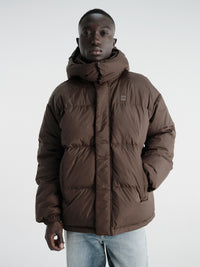
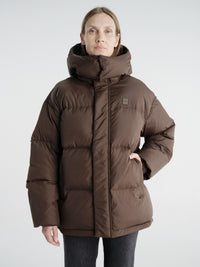
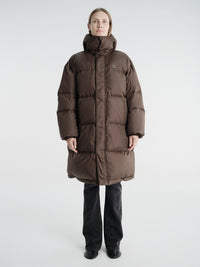
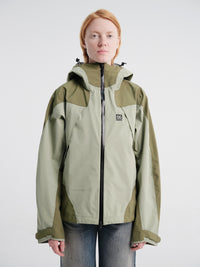
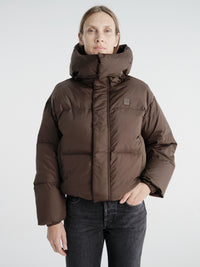
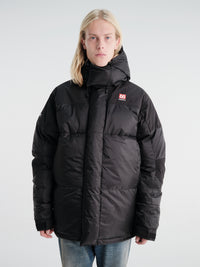
Dyngja is the line where the brand's thinking is clearest. The down jackets and down coats come in oversized and cropped cuts, insulated with a recycled blend of down and feathers. They carry the volume of a statement coat with the lightness of a technical jacket. The Dyngja shell jackets show the same approach in a waterproof form. 66 North Dyngja gathers them in one place.
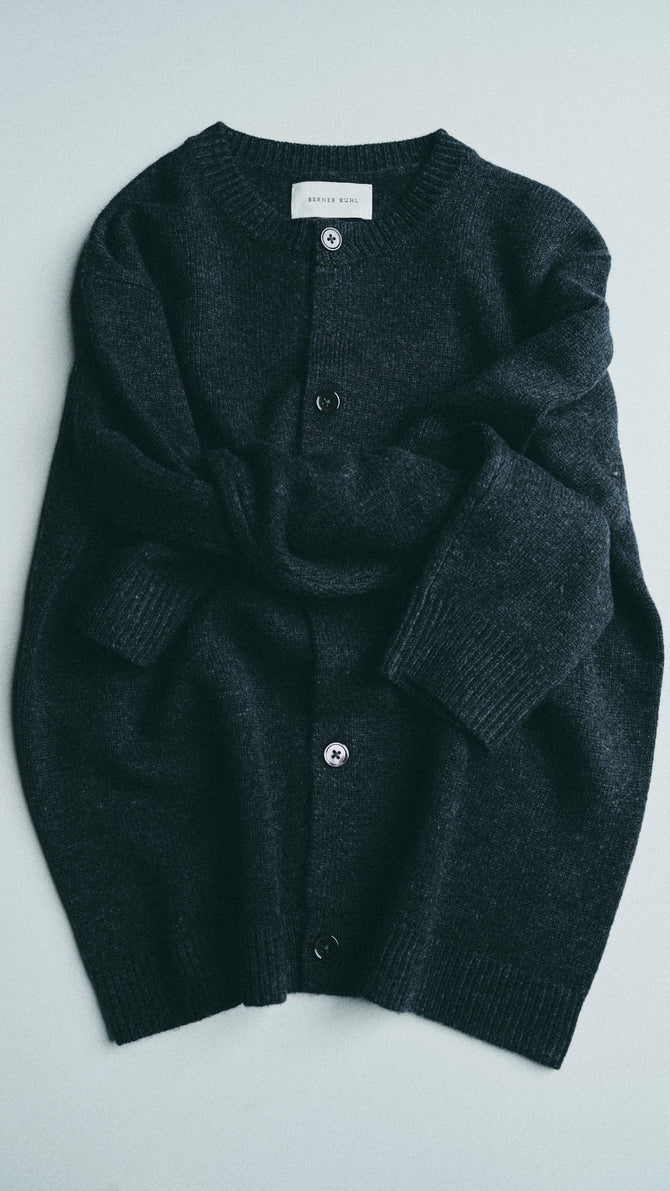
The Tindur short down jacket, the Tindur down jacket and the Kaldi half zip follow a layer-on-layer logic. Each piece works alone, yet every one is drawn as part of a system built from several layers.
Materials chosen for a job
In the early days, 66 North made heavy oil-treated canvas anoraks. Today every fabric is picked for a task. GORE-TEX Pro shells keep out wind and water while staying breathable, and Polartec fleece breathes well in active situations.
The brand works closely with high-quality fabric makers and produces in its own factories, with most production now in Europe. Mountaineers, outdoor professionals and rescue team members test the products before they go into production.
Clothing made to last
66 North repairs its products regardless of age and runs its own repair workshop. It has been a certified B Corp since 2021. Most of its clothing is made in its own factories, which gives it greater control over its footprint.
The range has been cut in half over four years to avoid overproduction. Longevity of design is the brand's answer to seasonal consumption. Stoy carries 66 North jackets, with pieces for women and men.
Frequently asked questions about 66 North
Is 66 North an Icelandic brand?
Yes. It was founded in Suðureyri in the Westfjords of Iceland in 1926. Most production now takes place in Europe, largely in the brand's own factories, but its identity and design thinking remain Icelandic.
Is 66 North a good brand?
It has made protective clothing for almost a century. Mountaineers, outdoor professionals and rescue team members test the products before production. The brand repairs its clothing regardless of age. It has been a certified B Corp since 2021.
What is 66 North best known for?
Protective outerwear for Icelandic weather. It began by dressing fishermen and has supplied Icelandic search and rescue teams since 1928. Today it makes down jackets, shells and fleece that work as well in the city.
What does úlpa mean?
Úlpa is an Icelandic word for a single multipurpose jacket that makes you ready for anything. The brand uses it to describe its approach, rooted in a culture of resourcefulness where things have to last.
What was 66 North originally called?
Hans Kristjánsson founded it in 1926 as Sjóklæðagerð Íslands, the Fishermen's clothing factory of Iceland, now better known as 66 North.