Fabrics
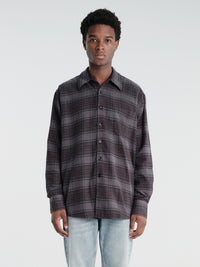
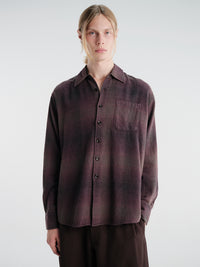
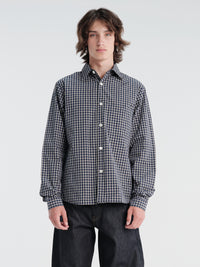
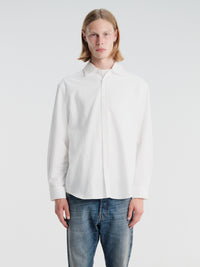
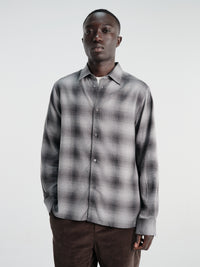
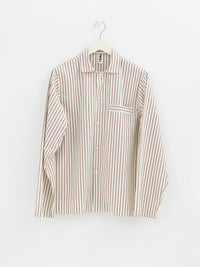
The fabric of a shirt determines almost everything about how it wears, how it moves, and how it holds up over time. Cotton remains the foundation across most shirt categories. Poplin is tightly woven and lightweight, giving it a clean, crisp surface that suits smart-casual and office settings. Chambray, typically woven from indigo yarn-dyed cotton at around 4.8 oz, has a looser structure and a lived-in quality that reads naturally in casual contexts. Flannel is brushed on both sides during finishing, which opens the fibres and creates the softness that makes it the right choice for cooler months.
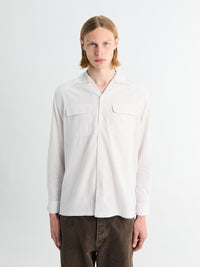
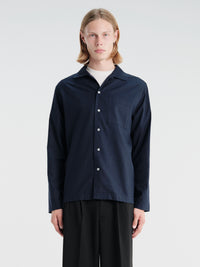
Beyond cotton, linen stands apart for warm-weather wear. Its open weave allows air to circulate freely, which is why it remains the preferred fabric for shirts in summer and on warmer travels. Cotton-wool blends, such as an 85/15 split at around 103.7 GSM, add a quiet warmth to a shirt without the weight of a full wool garment. Cotton-rayon twill, at approximately 5.25 oz, introduces drape and a subtle surface sheen that sets it apart from standard cotton weaves. Sand-washing and garment-washing processes, applied before sale, soften fabric from the first time a shirt is worn. Stoy's selection spans these fabric families across its brand mix, so there is a material suited to every season and occasion.
Styles and Silhouettes
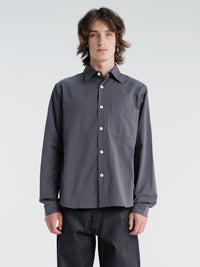
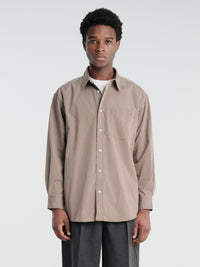
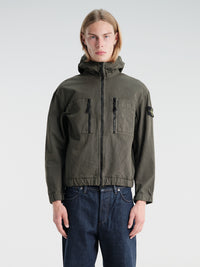
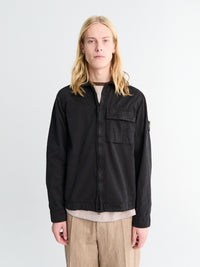
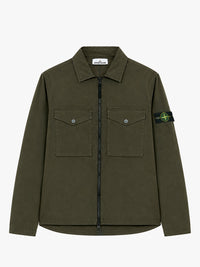
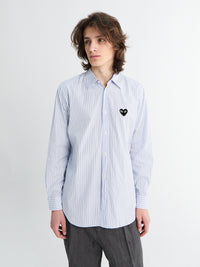
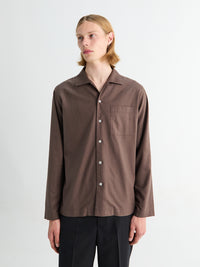
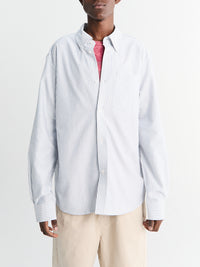
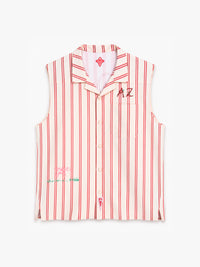
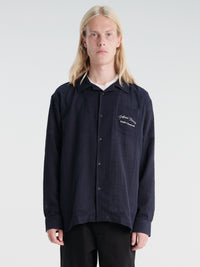
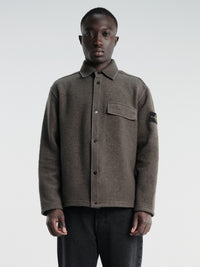
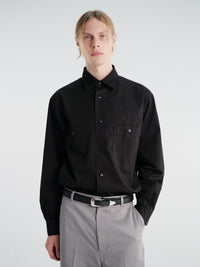
Men's shirts fall into a few clear categories, each suited to different contexts. The classic dress shirt, cut from poplin or twill, is the most formal of the group and works well tucked into tailored trousers for office or smart-casual settings. The button-down, where the collar points fasten to the body of the shirt with small buttons, is a step more relaxed and sits naturally in casual or smart-casual wardrobes. The overshirt is worn open or buttoned as a light outer layer rather than as a base garment, bridging the gap between a shirt and a jacket. For warm weather, men's short-sleeved shirt styles offer the same considered construction in a cut suited to heat. Heavier flannel and brushed cotton shirts come into their own in autumn and winter, layering well over a t-shirt or under outerwear.
Fit language matters when choosing between styles. Slim fits are cut closer through the chest, waist, and sleeves. Regular fits allow more room for ease of movement. Relaxed fits sit away from the body and suit the untucked, layered look. Collar style also shifts the register of a shirt: a spread collar reads as more formal, a button-down collar as casual, and a band collar as the most minimal of the three. Stoy carries styles that move between smart-casual and elevated everyday dressing across its brand selection, and the complete range of men's clothing extends well beyond shirts if you are building out a full wardrobe.
Construction
A well-made shirt reveals itself in details that are easy to overlook at first glance. Reinforced seams at stress points, particularly the underarm and side seams, prevent the early fraying that shortens the life of lesser garments. Single-needle stitching along the placket produces a cleaner, flatter finish than chain stitching, and it is a reliable indicator of considered production. Buttons made from corozo or mother-of-pearl are denser and more resistant to cracking than standard plastic alternatives, and they hold their appearance through repeated laundering.
Yarn-dyed fabrics, where the thread is dyed before weaving rather than after the cloth is finished, retain their colour more reliably over time. Pattern matching at the pocket and placket, where the fabric's weave or print aligns across seams, signals that care was taken during cutting and assembly. Garment-washed shirts have been pre-shrunk and softened before sale, which means they maintain their fit and hand after home laundering without the stiffness of unwashed cloth. Stoy's curation prioritises brands that take construction seriously at every stage of production.
Choosing by Occasion
Matching a shirt to its context is mostly a matter of fabric and hem length. A crisp cotton poplin or twill shirt is the natural choice for office environments and smart-casual occasions where a clean, pressed appearance matters. A chambray or linen button-down suits warm-weather weekends and relaxed daytime settings, where breathability and ease take priority. A heavier flannel or brushed cotton shirt layers well over a t-shirt during autumn, functioning as a mid-layer before outerwear becomes necessary. For travel, wrinkle-resistant or stretch-woven fabrics reduce the effort of packing and arriving well-dressed.
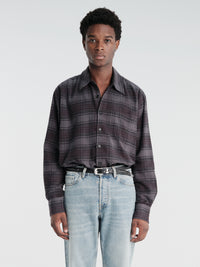
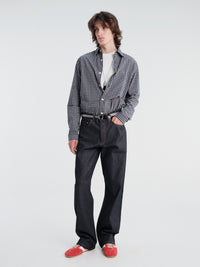
Hem length is a practical guide to how a shirt is meant to be worn. A straight, shorter hem that sits at the hip is designed to be worn untucked, and worn that way it looks considered rather than casual. A longer, curved hem is cut to be tucked into trousers, and worn untucked it tends to bunch at the sides. As a general rule, dress shirts and formal shirts are tucked in, while casual button-downs, overshirts, and linen shirts are worn untucked. The lightweight short-sleeve options in the selection follow the same logic, and pairing them with versatile cotton t-shirts gives you a complete warm-weather wardrobe to work from.
Frequently asked questions
What fabrics are best for men's shirts?
The best fabric depends on the occasion and climate. Cotton poplin is lightweight and crisp, making it ideal for smart-casual and office wear. Chambray, typically a yarn-dyed cotton at around 4.8 oz, has a relaxed, lived-in feel suited to casual settings. Linen is the most breathable option for warm weather. Flannel, brushed on both sides, adds softness and warmth for cooler months. Cotton-wool blends offer a middle ground, providing subtle warmth without bulk. For travel or active days, stretch-woven fabrics are worth prioritising.
What is the difference between a slim fit and a regular fit shirt?
A slim fit shirt is cut closer to the body through the chest, waist, and sleeves, creating a tailored silhouette. A regular fit has more room across the chest and torso, offering greater comfort and ease of movement. A relaxed fit is the most generous cut, sitting away from the body entirely. The right choice depends on your body shape and how you plan to wear the shirt: slim fits work well tucked in, while relaxed fits suit the untucked, layered look.
How do I know if a men's shirt is well made?
Look for reinforced seams at stress points like the underarm and side seams, single-needle stitching along the placket for a cleaner finish, and buttons made from durable materials such as corozo or mother-of-pearl. Yarn-dyed fabrics hold colour better over time than piece-dyed alternatives. Pattern matching at the pocket and placket is a sign of careful construction. Garment-washed shirts have been pre-shrunk and softened before sale, so they maintain their shape and size after home laundering.
Should a men's shirt be tucked in or worn untucked?
Hem length is the clearest guide. Shirts with a straight, shorter hem ending at the hip are designed to be worn untucked and will look intentional rather than sloppy. Shirts with a longer, curved hem are made to be tucked in; worn untucked, the extra length bunches awkwardly. As a general rule, dress shirts and formal shirts are tucked in, while casual button-downs, overshirts, and linen shirts are worn untucked. A tucked shirt reads as more formal, while untucked is the natural choice for relaxed or smart-casual settings.