Outerwear Styles
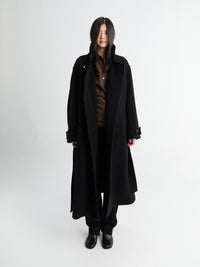
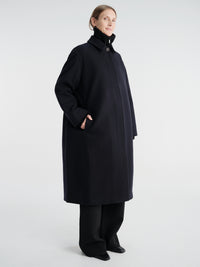
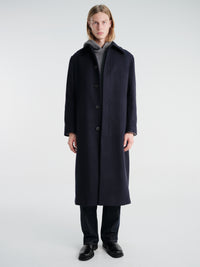
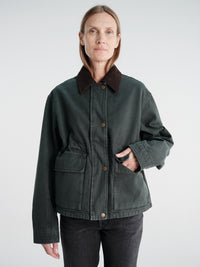
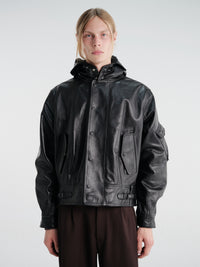
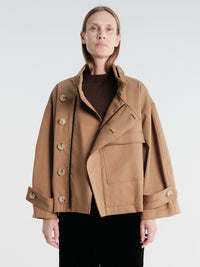
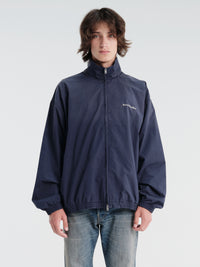
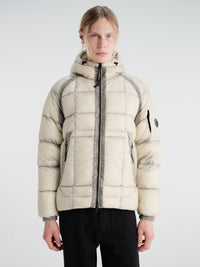
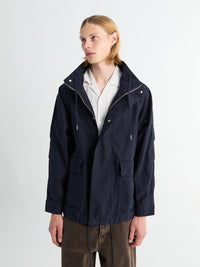
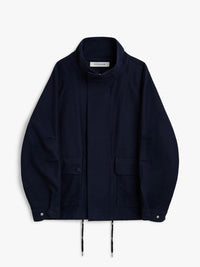
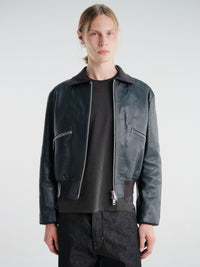
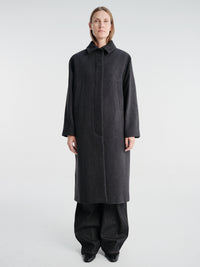
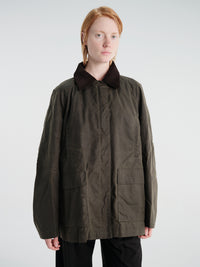
Outerwear is one of the most considered purchases in any wardrobe. A coat woman wears every day for five months of the year earns its place through fit, material, and longevity, not novelty. The different types of women's coats and jackets available here reflect that: parkas engineered for real cold, tailored overcoats with a clean, structured drape, trench coats that sit between formal and casual without effort, and cropped jackets that work as a layering piece across seasons. Our curated selection of tailored coats and versatile range of jacket styles sit alongside each other so that a classic ladies jacket and a technical shell occupy the same edit, chosen on equal terms.
Insulation Types
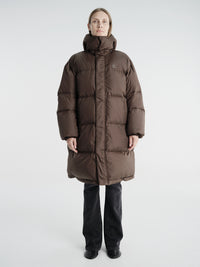
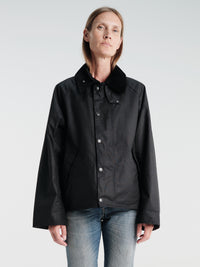
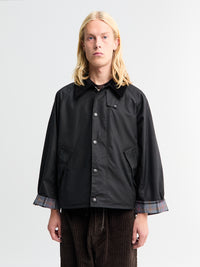
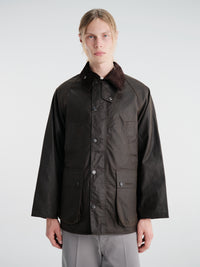
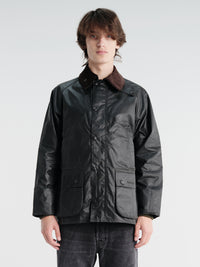
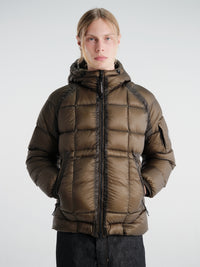
For those who need a coat that handles genuine winter conditions, insulated silhouettes are worth understanding in some depth. Down fill power indicates the loft of the insulation rather than warmth alone; the total fill weight determines how much warmth a jacket delivers. Puffer jackets and long down coats in the selection draw from both high fill-power down and down alternatives, the latter retains warmth when wet and often carries a lower environmental footprint. The warmth-focused down jacket collection covers both directions. For those who prefer natural materials, wool blends offer temperature regulation and a structured drape that holds its shape across years of wear. Waxed cotton sits in a different register entirely, with a heritage waterproofing character that suits a specific kind of dressing.
Weather Protection
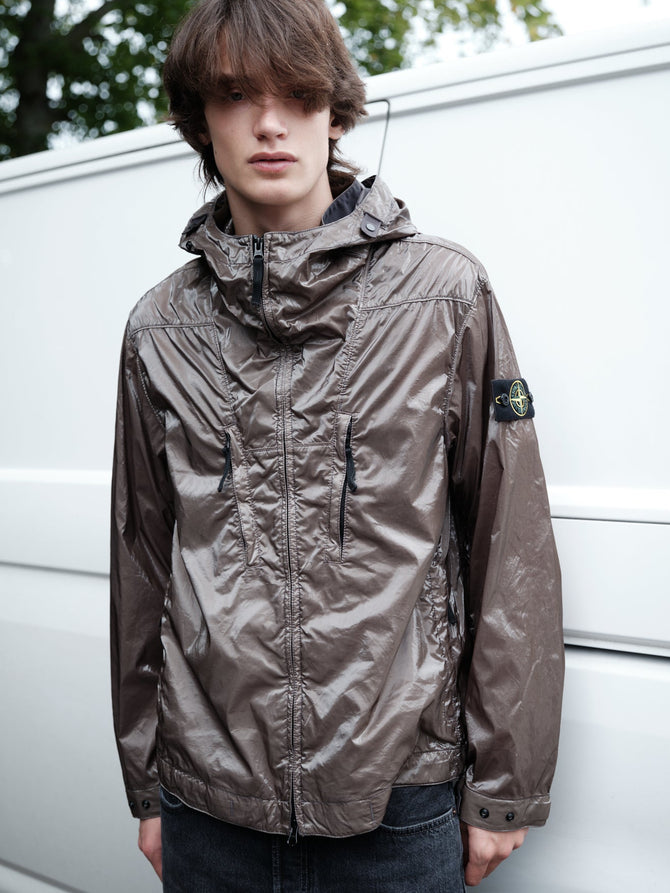
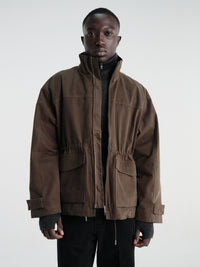
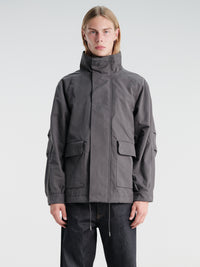
Material choice also shapes how a coat performs in variable weather. The distinction between waterproof vs water-resistant matters more than it might seem: a DWR-treated shell handles light rain and brief showers, while a fully waterproof membrane with sealed seams is built for sustained exposure. Breathability becomes relevant when you are moving in a waterproof shell; without it, perspiration has nowhere to go. Windproof construction adds another layer of protection in exposed conditions, and packable jackets compress into their own pocket for travel without sacrificing meaningful warmth. Fleece jackets occupy a different function, working best as a mid-layer or for mild-weather use rather than as primary winter outerwear. Active jackets and technical shells in the edit come from labels that treat performance and design as inseparable concerns.
Fit and Silhouette
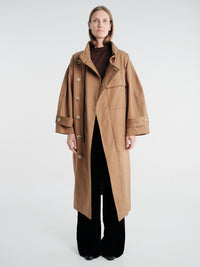
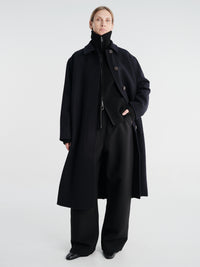
Fit decisions in outerwear are worth taking seriously. A full length jacket women's silhouette reads differently from a short coat for ladies, and the right choice depends on proportion, the layers worn underneath, and the context in which the coat will be used. Ladies long jackets and longline overcoats tend to work over tailored trousers or straight-leg denim; shorter cuts sit better with midi skirts or when a cleaner, less formal look is the aim. Feminine coats with a belted waist or a defined shoulder read more structured; relaxed, oversized silhouettes ask less of the outfit beneath. If you are considering a size 8 womens coat or any size at the smaller end of the range, pay attention to sleeve length and shoulder width as well as the chest measurement, since these vary meaningfully across labels. A women coat size 8 in one house may fit differently from the equivalent in another, particularly when the cut is intentionally generous.
Garment Care
Caring for outerwear properly extends its life considerably. Down jackets should be washed with a specialist down detergent on a gentle cycle and tumble dried on low heat with clean tennis balls to restore loft; standard detergent strips the natural oils from down clusters and reduces insulating performance over time. Wool coats benefit from dry cleaning or careful hand washing in cold water, stored on wide hangers to preserve the shoulder shape. Technical shells with a DWR coating will eventually need re-proofing with a DWR spray as the treatment wears down through use and washing. Leather jackets require periodic conditioning to prevent the material from drying out and cracking at the seams. A well-maintained coat woman wears for a decade is a better investment than one replaced every few seasons. All orders from Stoy include complimentary gift wrapping, making outerwear a considered and well-presented gift option.
FAQ
What's the difference between coats and jackets?
The distinction is primarily one of length and weight. Coats typically fall below the hip, often to the knee or longer, and are associated with heavier, more structured outerwear designed for colder conditions. Jackets are generally shorter, ending at the hip or above, and tend to be lighter and more useful across seasons. That said, the terms are often used interchangeably in everyday language, and many styles blur the boundary, including longline puffers or belted trenches. When shopping, focus on the silhouette, weight, and intended use rather than the label.
What is down fill power and does it tell me how warm a jacket is?
Fill power measures the loft of down, specifically how much space one ounce of down occupies. A higher fill power means the down is lighter and more compressible for the same warmth. However, fill power alone does not tell you how warm a jacket is; the total amount of down used (fill weight) matters just as much. A jacket with a high fill power but low fill weight may be less warm than one with a moderate fill power and generous fill weight. Look at both figures together when comparing insulated jackets.
What is the difference between waterproof and water-resistant outerwear?
Water-resistant outerwear is treated with a DWR coating that causes light rain to bead and roll off the surface. It handles brief showers and light drizzle but will eventually wet out in sustained rain. Waterproof outerwear uses a membrane or fully sealed seams to prevent water penetration entirely, making it suitable for heavy rain and prolonged exposure. Waterproof garments are also typically rated for breathability, which matters if you are active, as a non-breathable waterproof shell will trap moisture from perspiration. For everyday urban use, water-resistant is often sufficient; for hiking or harsh weather, waterproof is the better choice.
How should I care for a down jacket to keep it performing well?
Wash a down jacket using a specialist down detergent on a gentle, low-temperature cycle. Standard detergent strips the natural oils from down clusters and reduces loft. After washing, tumble dry on low heat with a few clean tennis balls or dryer balls to break up clumps and restore loft. Never air dry a down jacket flat while wet, as the down will clump and lose its insulating structure. Store it uncompressed when not in use, as long-term compression in a stuff sack degrades the down over time.
What should I consider when buying a coat as a gift?
Fit is the most important factor. If you are unsure of the recipient's exact size, opt for a style that works well slightly oversized, such as a relaxed overcoat or a puffer, rather than a tailored silhouette where fit is critical. Consider their lifestyle: a technical shell suits an active person, while a wool coat works for someone who dresses more formally. Stoy offers complimentary gift wrapping on all orders, making outerwear a considered and well-presented gift option regardless of where the recipient is located.