History and origins
Christophe Lemaire trained at Christian Lacroix and in several Paris design studios before launching his own label in 1991. Womenswear came first, and menswear followed in 1995. In 1992 the young label won the ANDAM fashion award.
Then came a pause. Lemaire took artistic roles at Lacoste and Hermès, and in 2014 he returned to the label full time. Sarah-Linh Tran, a co-artistic director since 2010, works alongside him. The house is rooted in Paris at 11 Place des Vosges.
The Lemaire design language
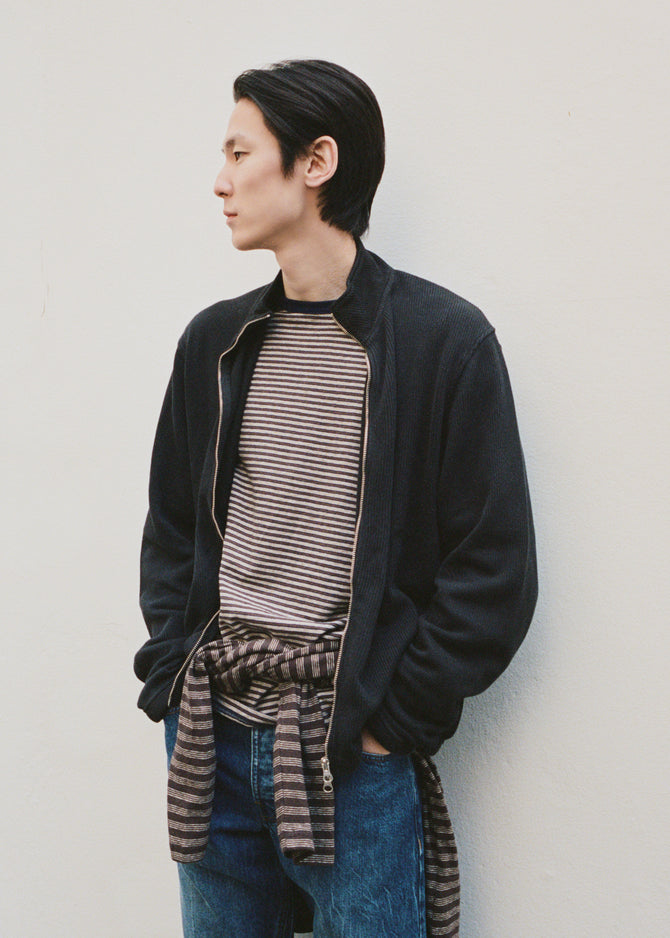
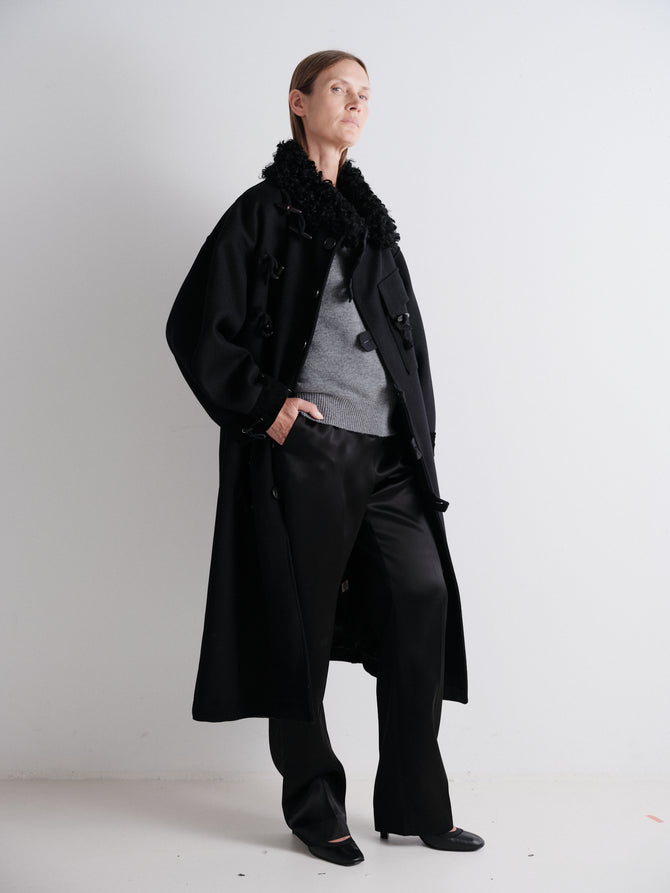
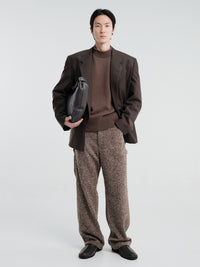
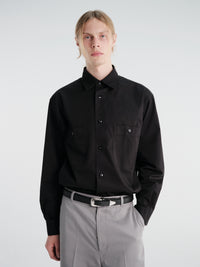
Silhouettes are soft and flowing, yet cut with precise structure. The palette stays muted and earthy, in charcoal, olive, fawn and cream. Workwear and Asian-inspired references run through the collections, from deep pockets to the idea of clothing as a protective layer around the body. The aim is clothes for everyday life rather than seasonal spectacle. Pieces are modular, meant to be layered and reinterpreted over years.
Tran trained as a literary publisher, and that background shapes the house's image and its womenswear silhouettes. The look is often filed under quiet luxury, a label that suits a brand with no interest in shouting. Fabrics come mainly from Europe and Japan, and construction details follow the way the body moves.
Signature pieces at Lemaire
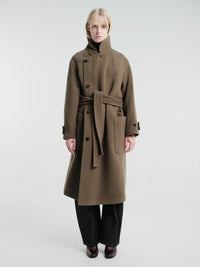
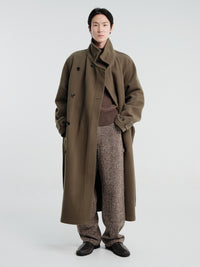
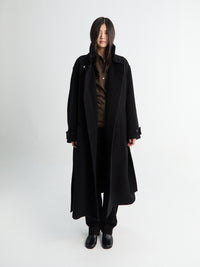
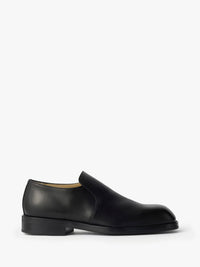
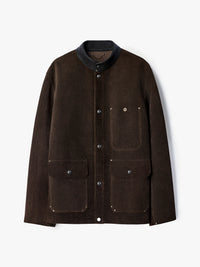
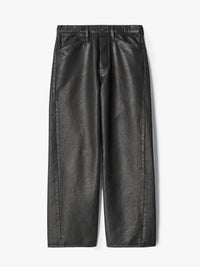
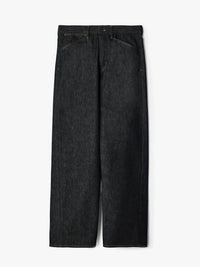
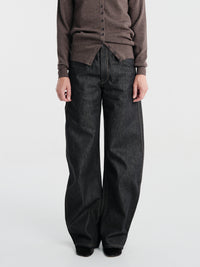
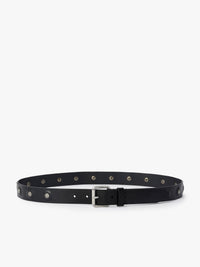
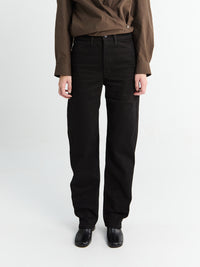
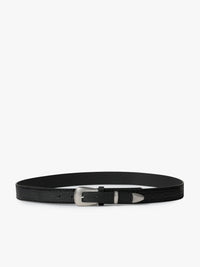
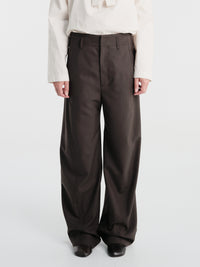
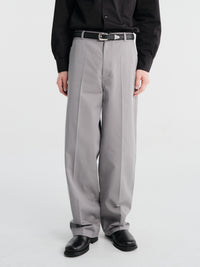
The house is best known for rounded outerwear and for precisely cut pants and skirts. Accessories sit at the center of its identity, and they carry the same design philosophy into objects with a clear character. The Wrap Coat and the Welder Suede Jacket show the outerwear side of that work. The Twisted and Curved pants show the tailoring.
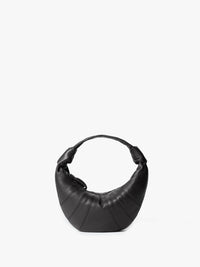
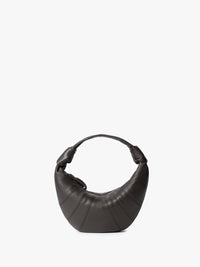
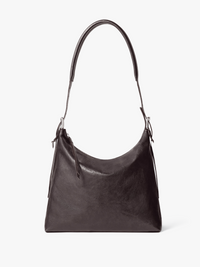
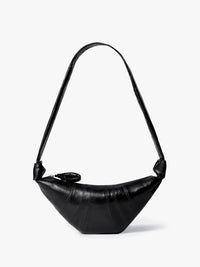
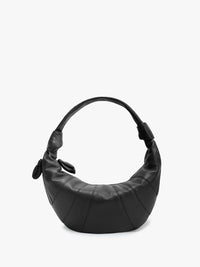
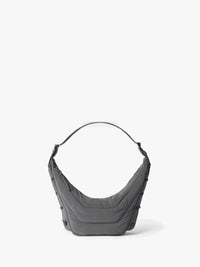
Among bags, the Croissant family, including the Fortune Croissant and the Small Croissant, takes a leather accessory and shapes it into a soft, curved form. The Belted Tote, the Belted Hobo and the Soft Game Bag complete the bag line-up. The range is divided into Lemaire for women and Lemaire for men.
Lemaire beyond the atelier
Christophe Lemaire and Tran co-direct the Uniqlo Paris R&D Center and the Uniqlo U line, which grew out of a 2015 collaboration. Alessi and Lemaire have also reissued archival objects from the Twergi collection. Fast Retailing took a minority stake in the house in 2018.
Flagships stand in Paris, Tokyo and Seoul, among other cities, including the flagship on Rue Elzévir in the Marais, opened in 2023. On the sourcing side, 62 percent of 2025 production met organic, recycled or certified standards. Stoy stocks a selection from Lemaire's current collections.
Frequently asked questions
Is Lemaire a luxury brand?
Yes. Lemaire is a fashion house based in Paris, known for understated luxury. Its emphasis is on fabric quality, careful construction and modular design over visible logos. It remains independent in its approach and is led by Christophe Lemaire and Sarah-Linh Tran.
Is Lemaire French or Japanese?
Lemaire is French, rooted in Paris at 11 Place des Vosges. The Japanese link comes from Christophe Lemaire's work as artistic director of Uniqlo U, and from fabrics sourced primarily from Europe and Japan.
Who founded Lemaire?
Christophe Lemaire founded the label in 1991 after working at Christian Lacroix and in several Paris design studios. Sarah-Linh Tran joined as co-artistic director in 2010, and the two have led the house together since 2014.
What is the difference between Lemaire and Uniqlo U?
Lemaire is the founder's own label. Uniqlo U is a separate line developed at the Uniqlo Paris R&D Center, which Christophe Lemaire and Sarah-Linh Tran co-direct. The two share certain design principles but are different collections.
What is Lemaire best known for?
Soft, rounded outerwear, precisely cut pants and a muted, earthy palette, together with accessories such as the Croissant bag. The house is often associated with the soft tailoring movement and an androgynous, utilitarian wardrobe.