Fabric and finish
Silk remains the benchmark for formal neckwear. A finely woven silk at a heavier weight offers the richest drape and sheen available, and it is the fabric most associated with high quality ties worn at weddings and special occasions. Knitted silk reads more relaxed and pairs naturally with dress shirts and eveningwear without sacrificing refinement. Cotton ties are lighter and breathable, making them a considered choice for warmer seasons.
The interlining is where construction quality becomes most apparent. Wool-blended interlinings add body and weight, improving how a knot holds its shape across a long day. This is the detail that separates a well-made tie from cheaper alternatives built with polyester interlinings, which tend to produce a flatter, less resilient result. When comparing options across tie sites or necktie stores, the interlining is worth looking into before committing to a purchase.
Patterns and colour
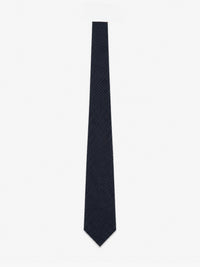
Solid colors are the most practical starting point for any tie collection. They pair with almost any shirt or suit and move easily across dress codes, from business meetings to more relaxed evenings out. Checked patterns bring structure and a classic formality that suits conservative tailoring. Paisley and geometric prints add personality without losing polish.
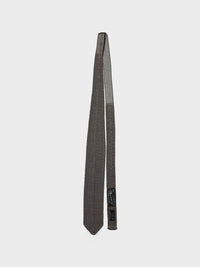
Floral patterns have moved firmly into everyday tailored dressing and now sit comfortably alongside more traditional options in menswear ties. Checks and plaids lean casual and work well with unstructured jackets. Knitted ties carry a squared-off blade and a textured finish that suits relaxed tailoring. Width is also worth considering: a wider blade reads more traditional, while a slimmer cut aligns with modern proportions and contemporary suit ties for men.
Occasion and dress code
For weddings, a silk tie in a muted or coordinating tone is the reliable choice. Burgundy, dusty blue, and soft florals are popular across wedding parties, and a subtle paisley or floral pattern adds character without overpowering a formal suit. Pairing the tie with a pocket square in aF coordinating tone completes the look. Our complete range of men's accessories includes options that work well together for exactly this kind of occasion.
Business and office settings favour solid colors or conservative patterns in navy, grey, or deep red. Evening events and black-tie occasions call for a classic woven silk tie or bow ties in black or midnight tones. More relaxed settings open the door to bolder patterns, cotton textures, or a knitted tie worn with an open collar. Matching tie width to lapel width creates a proportional look that reads as intentional rather than accidental.
Construction and craft
A well-made tie is cut on the bias, at a 45-degree angle to the fabric grain, which allows it to spring back to shape after knotting and prevents twisting over time. The interlining is the inner layer that gives the tie its body: wool-blended interlinings produce the ideal weight and thickness, while pure polyester interlinings result in a flatter knot that loses definition with wear. This distinction matters when buying ties online, because it is not always visible in product photography.
These details are invisible when worn but determine how the tie performs and ages. They are the difference between a tie that holds its shape for years and one that looks tired after a season. This level of construction is part of what the selection at Stoy reflects.
Frequently asked questions
What is the difference between a necktie and a bow tie?
A necktie is a long strip of fabric that hangs down the front of the shirt and is knotted at the collar. It is the most common form of tie and works across business, formal, and smart-casual settings. A bow tie is tied into a symmetrical bow at the collar and reads as either more formal, in black silk for black-tie events, or more characterful, in patterned or textured fabrics for creative occasions. Both styles have their place in a considered wardrobe, and the choice often comes down to the dress code and personal preference.
What fabric makes the best quality tie?
Pure silk is widely regarded as the finest material for neckties. It has a natural sheen, drapes well, and holds a knot with clean definition. A heavier silk weight indicates a more luxurious fabric. For more casual or seasonal wear, cotton and knitted silk are excellent alternatives. The interlining matters as much as the outer fabric: a wool-blended interlining gives the tie the right body and weight, while a polyester interlining tends to produce a flatter, less refined result.
How do I choose the right tie for a wedding?
The key is coordinating with the overall colour palette of the event rather than matching exactly. Silk ties in muted, rich tones such as burgundy, dusty blue, sage, or champagne are popular choices for both grooms and wedding parties. Subtle floral or paisley patterns add personality without overpowering a formal suit. If you are a guest, a classic woven silk tie in a conservative colour is always appropriate. Pairing your tie with a coordinating pocket square completes the look.
What width tie should I wear?
The general rule is to match the width of your tie blade to the width of your jacket lapels. A wider lapel suits a broader tie, around 8 to 9 cm at the widest point, which reads as more traditional. A narrower lapel pairs better with a slimmer tie, around 6 to 7 cm, for a more contemporary silhouette. Skinny ties under 5 cm work best with slim-cut suits and a modern aesthetic. When in doubt, a medium width around 7 to 8 cm is the most versatile option.
How should I care for and store my ties?
Ties should be untied carefully after each wear. Never leave a knot in overnight, as this stretches the fabric and distorts the interlining over time. Roll or hang ties loosely rather than folding them, which can create permanent creases. Silk ties should be dry-cleaned if soiled; spot-cleaning with a damp cloth can address minor marks. Store ties in a cool, dry place away from direct sunlight to preserve the colour and fabric integrity.